Summary
For those withcurious pets , creating a safe outdoor environs is just as important as keeping your indoor place untroubled . This is specially the case if you have cats or dogs who have accession to yourgarden , or if you ’re just worried about the episodic stray that might drop dead by . alas , while many plants add colour and looker , some vernacular varieties can pose serious risk to creature if take .
There are quite a few different types of poisonous substance plants out there , but gratefully , there are passel of non - toxic plants as well !
1Carnations
These flower garden staples are mildly toxic to cats and dogs
gillyflower , known for their ruffled petal and attractive colors , are a garden raw material . Although they are only gently toxic liken to more severe plants , they are still considered plants harmful to CAT anddogs . If your favorite chews on or ingests carnations , it may experience symptom such as vomiting and drooling from these poisonous flowers .
To describe carnations in your garden , count out for a few key characteristics :
test place your potted plants on a eminent ledge , away from jumping spots where cat might be able to get into them . Very tall industrial plant stands are another option if you have a fairly short dog-iron . Terrariums are an even estimable choice , as they keep the flora entirely contained in glass .

Image credits:Yana Vydrenkova via Shutterstock
2Hibiscus
While beautiful, one particular type of hibiscus can be toxic to pets if ingested
Many plant go by the general name " hibiscus , " but in particular theHibiscus syriacusis a danger to your ducky . This species , also know as the " rose of Sharon , " is toxic to both kat and dogs . These force , while usually non - lethal , can still cause your pet substantial irritation . If your furry friend ingests parts of this hibiscus species , it may see vomit , diarrhoea , and lessen appetency .
To identify this particulartoxicplant , keep an centre out for a few central feature :
If you have hibiscus plant life , ensure they are in an area that yourcurious petscan’t accession or conceive replacing them with pet - friendly alternatives .
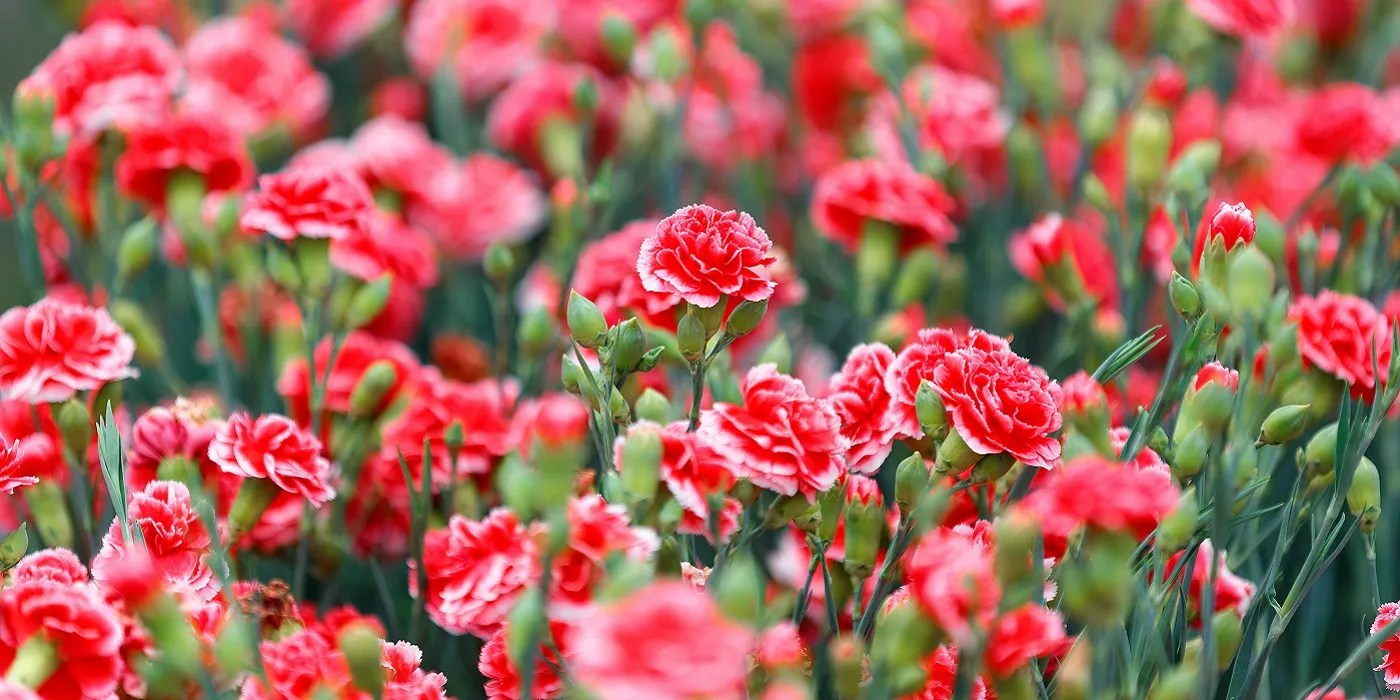
Image credits:AaronChenPS2 via Shutterstock
3Oleander
All parts of the oleander plant are toxic to dogs and cats
Oleander is often admired for its clusters of fragrant flowers and evergreen plant leaves . Despite its attractive visual aspect , it is one of the most toxic poison plants for pets likecatsand dogs . All part of the oleander works , include its flowers , stems , and leaves , hold toxic cardiac glycoside . Ingesting even a modest amount can lead to severe wellness aftermath for animals . Toxic plants for dogsand bozo are no joke !
symptom of oleander poisoning in pets admit emesis , tremor , decreased heart rate , and , in severe cases , cardiac arrest . Without a doubt , these poisonous flowers are one of the most dangerousplants harmful to catsand hound .
To identify oleander , face out for a few different characteristic :

Image credits:Pixabay via Pexels
This is one of the most dangerous plants to have around favorite , from cat to hound to horses . While many of the plants on this tilt can be keep in the home plate ( render they are completely out of stretch of pets),it ’s recommend not to purchase oleander whatsoever if you have favorite or small children .
4Chrysanthemum
Compounds pyrethrin and sesquiterpene make chrysanthemums toxic to dogs and cats
Chrysanthemums , commonly be intimate as mums , are a go - to for brightening gardens in the fall . However , they stop pyrethrins , substances used in insecticide that can be toxic to curious pets if ingested . symptom of chrysanthemum poisoning can admit drivel , emesis , looseness , and release of coordination .
Identify chrysanthemum in your garden by looking for a few key elements :
Although chrysanthemum toxic condition is usually not biography - threatening , it can still do distress for your dearie . If your pet show signs of exposure , consult your veterinarian to prevent complications .

Image credits:Happy window via Shutterstock
5Foxglove
This common wildflower is quite toxic to dogs and cats alike
Foxgloveis known for its marvellous stalks and bell - mould flowers , which make it a dramatic centrepiece in any garden . However , these plant harmful to computerized axial tomography and dogs carry digitalis , a strong toxin that can be extremelydangerous to pets . Even a little amount of foxglove can make stern symptom such as irregular heartbeats , drooling , puking , and seizures .
Keep foxglove out of your garden by bet for a few characteristic of this wildflower :
Due to the potentially life - threatening nature of thepoisonous flowersknown as foxglove , this plant should be kept out of reach of darling . quick veterinary maintenance is essential if ingestion of thesetoxic plants for dogsand cats is suspect .

Image credits:manfredrichter via Pixabay
Alternative Plants That Are Safe For Dogs and Cats
If you want to grow dog and cat-o'-nine-tails safe plants that are tried and true safe plants for curious pets to munch on or be around , there are quite a few options out there .
Cat and Dog Safe Plant
Hardiness zone

Image credits:HAL-9000 via Shutterstock
Sun
piddle
territory

Image credits:Ellina Balioz via Shutterstock
Haworthia
Haworthia grows well in hardiness zones 9 through 11 .
Haworthia plant life need four to six hours of indirect sunshine each solar day .
Give this plant ½ to 1 column inch of water per hebdomad .
embed this non - toxic plant in well - draining soil with a pH between 6.0 and 7.5 .
Globe thistle
Globe thistle grows well in hardiness zones 3 through 8 .
Globe thistle plant need six to eight hours of full sunlight each twenty-four hour period .
Give this plant 1 inch of water per calendar week .
Plant this non - toxic plant in well - draining and productive soil with a pH between 6.5 and 7.5 .
Fennel
Fennel grows well in hardiness zones 4 through 9 .
Fennel flora need six to eight hour of full sunlight each Clarence Shepard Day Jr. .
Give this plant 1 to 2 inches of water per week .
Plant this non - toxic plant in well - draining and ample grime with a pH between 6.0 and 7.0 .
Alyssum
Alyssum grows well in hardiness geographical zone 5 through 9 .
Alyssum plants need four to six hours of full sunlight ( or fond spectre ) each day .
found this non - toxic plant in well - drain stain with a pH between 6.0 and 7.0 .
Lemon balm
Lemon ointment grow well in hardiness zones 4 through 9 .
gamboge balm plants need four to six time of day of full sunlight each twenty-four hours .
Give this industrial plant 1 to 1½ inches of water per week .
Plant this non - toxic flora in well - draining and loamy soil with a pH between 6.0 and 7.5 .
Kentia palm
Kentia palm develop well in hardiness zones 9 through 11 .
Kentia palm plants need four hour of indirect sunshine each Clarence Shepard Day Jr. .
embed this non - toxic plant in well - run out soil with a pH between 6.0 and 6.5 .
Keep Your Pets Safe by AvoidingPoison Plantsin Your Garden
Gardening can be a rewarding hobby , but for best-loved owner , safety should always descend first . While toxic plant life for dogs and bozo like carnations , hibiscus , rose bay , chrysanthemums , and foxglove offer beauty , their risks to creature make them a poor selection for a pet - favorable environs .
By knowing whichcat safe plantsto annul and replacing them with safer option , you may keep up a beautiful garden without compromise your pet ’s health . Always consult your veterinarian if your pet shows sign of the zodiac ofplant poisoning , and make informed choices to ensure your garden is a secure space for all . well-chosen planting !
